Dropped Head Syndrome in Young Adults: A Rare Neuromuscular Condition Explained
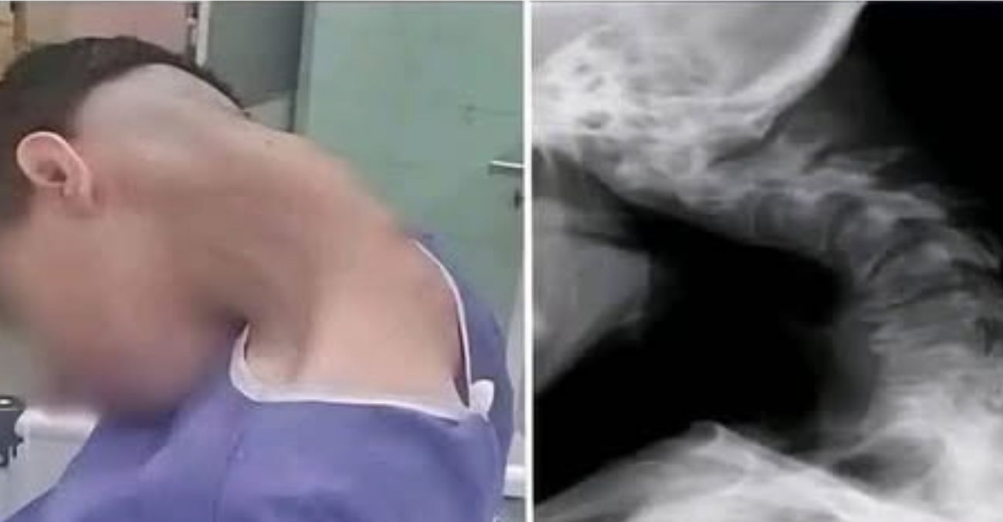
A recent case reported by medical professionals at a hospital in Isfahan has brought renewed attention to a rare and often misunderstood neuromuscular condition known as Dropped Head Syndrome (DHS). The case involved a 23-year-old male who developed significant neck weakness, ultimately resulting in a fixed forward bending posture of the head and neck.
This article aims to provide an educational overview of the condition, possible contributing factors, and why early diagnosis and intervention are crucial—especially for young adults.
What Is Dropped Head Syndrome?
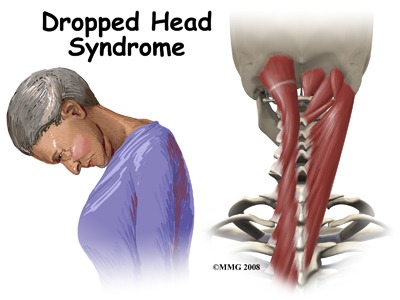
Dropped Head Syndrome is a medical condition characterized by severe weakness in the neck extensor muscles, making it difficult for individuals to keep their head upright. Over time, the head may tilt forward, with the chin resting near the chest. This condition can significantly impact a person’s quality of life by limiting mobility, communication, and even breathing in severe cases. Although the condition is rare, understanding its causes and symptoms is important—especially as it can be confused with more common posture-related or muscular issues.
Common Causes and Risk Factors
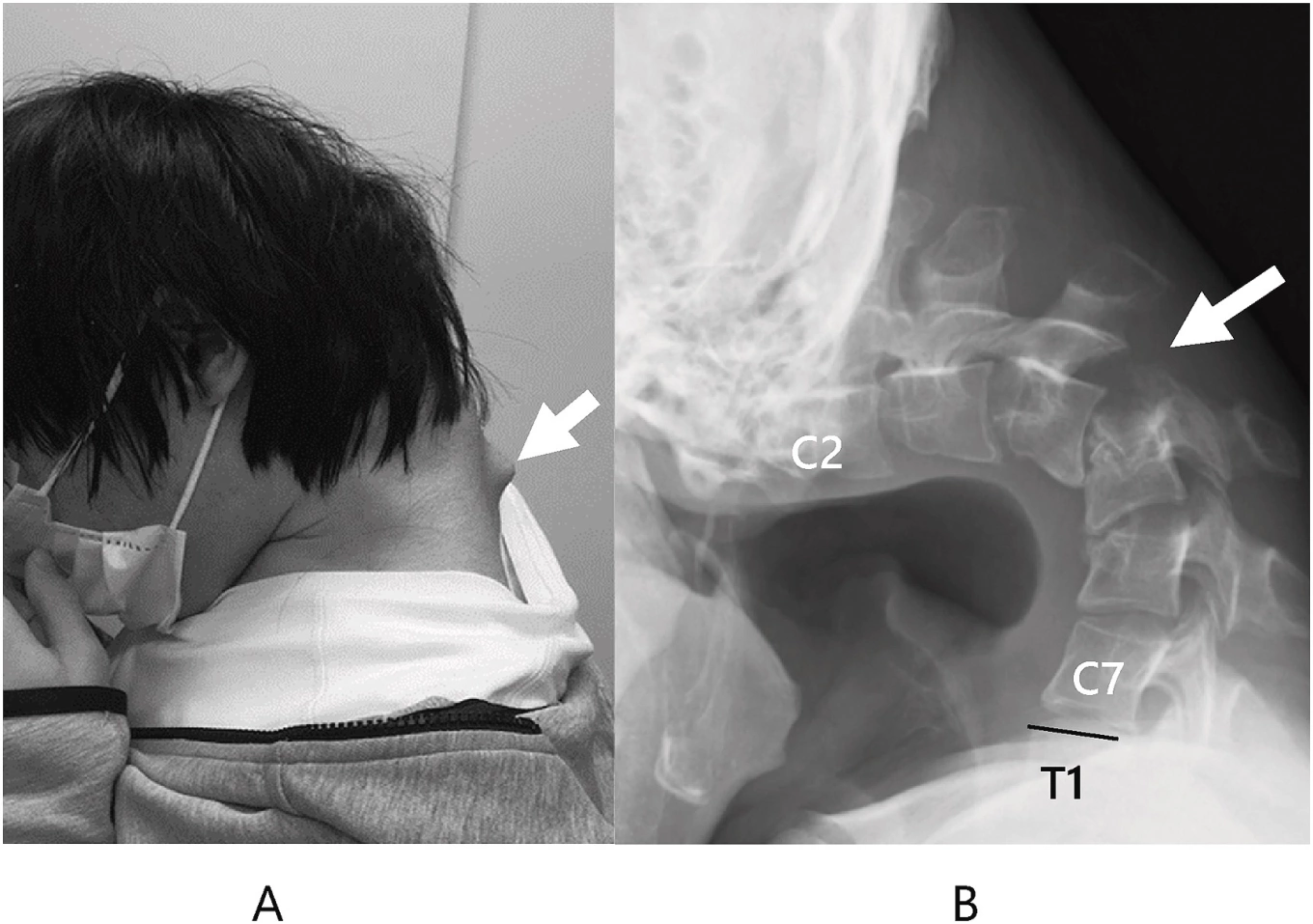
DHS is most often linked to neuromuscular disorders—conditions that affect the nerves and muscles, including: Myasthenia gravis, Amyotrophic lateral sclerosis (ALS), Parkinson’s disease, Multiple system atrophy, Inflammatory myopathies (such as polymyositis). In some rare cases, lifestyle factors and long-term physical strain may contribute to progressive muscular fatigue or postural imbalances. Individuals who experience prolonged periods of poor posture, untreated back or neck discomfort, or nutritional imbalances may place additional stress on spinal muscles, which over time may contribute to abnormal curvature or muscle atrophy. In the case highlighted by doctors, no trauma or structural damage to the cervical spine was identified, suggesting that muscular degeneration and neuromuscular dysfunction were at the core of the diagnosis.
Symptoms to Watch For
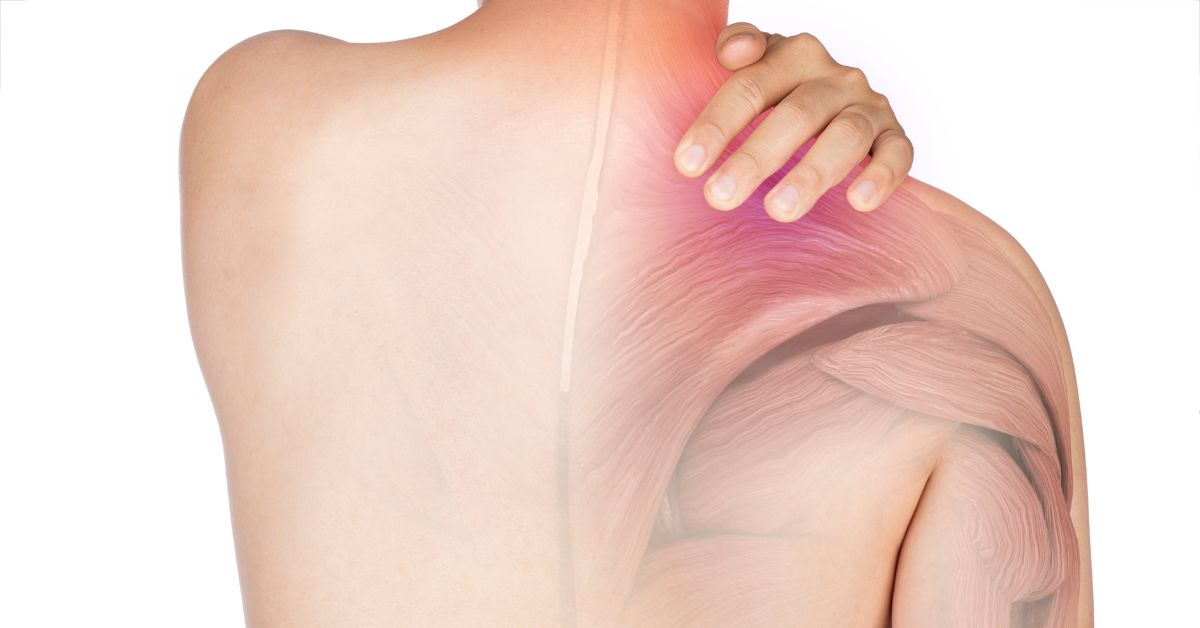
Early symptoms of Dropped Head Syndrome can be subtle, but recognizing them early may improve treatment outcomes. Common signs include: Gradual forward tilting of the head, Neck fatigue after short periods of activity, Limited ability to lift or rotate the head, Pain or tension in the upper back, shoulders, and neck, Tingling or numbness in the arms (known medically as paresthesia). In young adults, these symptoms may be mistakenly attributed to screen time, improper ergonomics, or general fatigue. However, if symptoms persist or worsen, a medical evaluation is recommended.
Diagnosis and Medical Evaluation
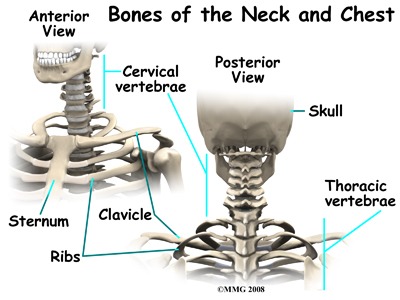
Diagnosing DHS typically involves a combination of: Neurological assessments, Muscle strength testing, Imaging studies (such as MRI or CT scans), Electromyography (EMG) to evaluate electrical activity in the muscles. Doctors aim to identify whether the cause is primarily muscular or neurological in origin. Ruling out structural issues like herniated discs or spinal injuries is also important during evaluation. In the case of the young man in Iran, medical imaging and clinical tests confirmed a fixed kyphotic posture (forward curvature of the upper spine) without signs of trauma. He also experienced persistent discomfort and sensations in his upper limbs, indicating possible nerve involvement.
Treatment and Rehabilitation

While there is no single cure for Dropped Head Syndrome, treatment focuses on symptom management and improving functional ability. Depending on the cause and severity, options may include: Physical therapy to strengthen neck and upper back muscles, Postural correction exercises and custom orthotic support, Non-invasive pain management such as hot/cold therapy or ultrasound treatment, Nutritional support and monitoring of vitamin and mineral intake, Occupational therapy to adapt daily activities and prevent fatigue. In some cases, surgical intervention may be recommended if the curvature leads to complications such as breathing issues or spinal instability. However, early-stage management is typically conservative and focused on improving mobility and quality of life.
Why This Case Matters: Raising Awareness Among Young Adults
Although Dropped Head Syndrome is more commonly diagnosed in older adults with degenerative conditions, the appearance of symptoms in a person as young as 23 emphasizes the importance of early posture care, musculoskeletal health, and regular medical checkups. The medical team involved in the case also noted the role of mental wellness, as emotional stress, anxiety, and long-term behavioral habits may contribute indirectly to physical health outcomes. Promoting a balanced lifestyle, encouraging healthy habits, and seeking help for physical or emotional concerns early can significantly reduce health risks.
Practical Tips for Supporting Neck and Spine Health
For individuals of all ages—especially students, desk workers, and those who spend long hours in seated positions—maintaining proper posture and muscle health is essential. Here are a few actionable tips:
1. Practice Good Ergonomics
Keep screens at eye level. Sit with feet flat and back supported. Take breaks every 30–45 minutes to stretch or walk.
2. Incorporate Neck and Shoulder Exercises
Gentle stretches can help release tension. Use resistance bands for light strength training. Avoid carrying heavy bags on one shoulder.
3. Prioritize Sleep and Recovery
Use a supportive pillow that aligns the neck. Avoid sleeping in awkward positions. Stretch before and after long periods of rest.
4. Seek Early Medical Advice
Don’t ignore persistent neck fatigue or pain. Consult a healthcare provider if your posture changes or worsens. Address underlying emotional or mental health concerns.
Conclusion: A Teachable Moment in Preventive Health
Dropped Head Syndrome may be uncommon, but it serves as a powerful reminder of the body’s vulnerability when muscular health is neglected. The condition is often misunderstood, but with proper attention, early detection, and support, individuals can improve their outcomes significantly. This case highlights the importance of holistic care—taking into account not just physical symptoms, but lifestyle, emotional well-being, and daily habits. For young people, especially, it offers a vital opportunity to learn about spinal health, posture awareness, and how small steps can make a lifelong difference.